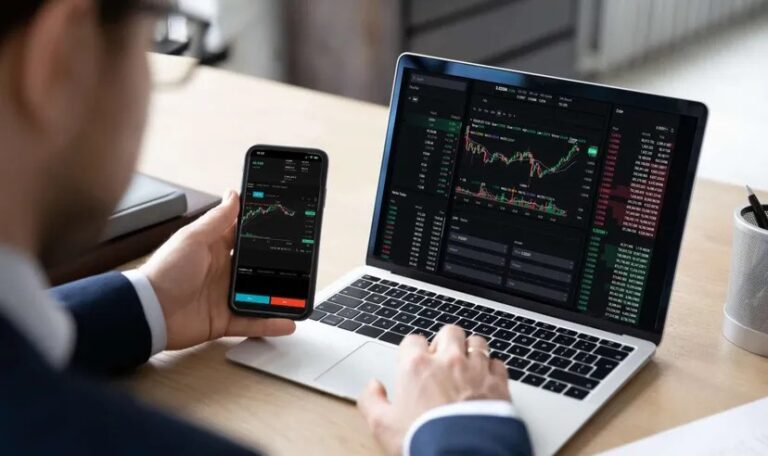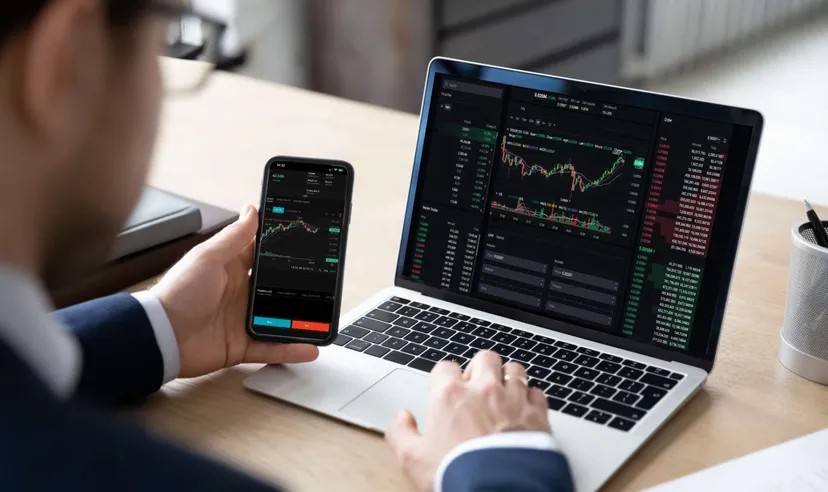
Trading Apps have made it easier for investors and traders to access market information, monitor securities and place orders through smartphones. Instead of depending entirely on desktop terminals or offline processes, users can now review market activity, maintain watchlists and manage supported investment tasks from almost anywhere.
The convenience of mobile access, however, makes platform selection more important. A trading app should not be chosen only because it looks modern or offers fast order placement. Costs, security, usability, research tools, order controls and customer support can all influence the overall experience.
A structured evaluation can help users identify whether an app actually suits their investing style rather than simply choosing the first platform they encounter.
1. Define Your Market Activity First
The first step is understanding how the app will be used. A long-term investor may only place occasional orders and may value portfolio tracking, research access and simple navigation. An active trader may require faster order entry, charts, watchlists and additional market data.
This distinction matters because different users need different features. A platform designed around frequent trading may feel unnecessarily complex for someone who buys securities only occasionally.
Choosing an app becomes easier when the investor first decides whether the primary purpose is long-term investing, active trading or a combination of both.
2. Review The Interface Before Focusing On Advanced Tools
A large number of features does not automatically make an app easier to use. Important information should be simple to find, especially order history, holdings, available funds and market data.
Users should not have to search through several screens merely to confirm whether an order has been executed or to review their portfolio.
A clean interface can reduce operational mistakes, particularly for beginners who are still becoming familiar with market terminology and different order types.
3. Understand The Available Order Controls
Before using an app regularly, investors should understand the order types supported by the platform. Market and limit orders are common examples, while additional order choices may also be available depending on the platform and segment.
A market order generally prioritises execution at the available market price. A limit order allows the user to specify a price at which the transaction should occur, subject to market availability.
The order screen should clearly display the security, quantity, price and transaction direction before confirmation. Even a small input mistake can create an unintended position.
4. Check Brokerage And Other Applicable Costs
Trading costs can influence overall results, especially for users who trade frequently. Brokerage may be only one part of the transaction cost, with statutory charges, taxes and other applicable fees also affecting the final amount.
Users should therefore review the platform’s pricing structure before increasing trading frequency.
A low headline brokerage figure should not be viewed in isolation. Understanding the complete cost structure provides a clearer picture of how much each transaction may actually cost.
5. Test Market Tracking And Watchlist Features
Watchlists can help users focus on a smaller set of securities instead of continuously scanning the entire market.
A useful watchlist should make it easy to review key price information and organise securities according to the user’s strategy. Investors may maintain separate lists for current holdings, research candidates and specific sectors.
This organisation can reduce unnecessary market noise and make research more focused.
6. Use Research Features As Supporting Information
Some trading platforms provide market reports, company information, screeners or other research-related features. These tools can help users gather information, but they should not be treated as automatic instructions to buy or sell.
Investors still need to assess whether a security suits their financial goals, risk tolerance and investment horizon.
Short-term price movements, trending lists and alerts can draw attention quickly, but they do not replace independent evaluation.
7. Compare Trading Apps Around Practical Use
When comparing Trading Apps, users should evaluate how well each platform supports the tasks they actually perform rather than simply comparing feature counts.
A practical comparison can include:
- Ease of finding holdings and orders
- Speed and clarity of order placement
- Availability of relevant market information
- Brokerage and transaction-related costs
- Account security features
- Statement and report accessibility
- Customer-support availability
This approach keeps the comparison focused on usability and account management rather than promotional claims.
8. Examine Portfolio Tracking Carefully
Portfolio information can help investors understand how individual positions fit together.
An app may display quantities, average purchase prices, current values and unrealised gains or losses depending on the available features. This consolidated view can help users identify whether too much money has gradually accumulated in one company or sector.
Portfolio tracking should support periodic review rather than encourage constant buying and selling based on short-term price movements.
9. Treat Security As A Core Selection Factor
Trading accounts may contain personal details and access to financial assets, so security deserves the same attention as charts or market data.
Users should look for appropriate login and authentication features and should always protect passwords, OTPs and other sensitive credentials.
Apps should be downloaded only through official stores or authorised channels. Suspicious messages asking users to reinstall an app, share credentials or act urgently should be treated carefully.
10. Review Alerts Without Letting Them Control Decisions
Price alerts and market notifications can be useful when they relate to securities the user already follows. They can reduce the need to keep the app open continuously.
The problem begins when every notification creates pressure to trade. A sharp price rise may trigger fear of missing out, while a sudden decline may lead to an emotional exit.
Alerts should therefore act as prompts for review, not as automatic trading instructions.
11. Look At Account Records And Reports
A trading platform should make it reasonably easy to access transaction history, contract notes, holdings information and other relevant records.
These documents can help investors understand past activity and verify whether trades were executed as expected.
Periodic review may also reveal behavioural patterns. An investor may discover that frequent impulsive trades contributed more to costs and losses than carefully planned transactions.
Records become more valuable when they are used for learning rather than only for compliance.
12. Evaluate Customer Support Before A Problem Occurs
Customer support may not seem important when the app is working normally, but it becomes critical when there is an order issue, login problem or account-related question.
Users should know in advance where official support can be reached and how complaints or technical issues are handled.
Depending only on informal social-media replies or unknown third parties can create additional risk when sensitive account information is involved.
13. Match Trading Frequency With Risk Control
An app that makes order placement fast can unintentionally encourage overtrading.
Before entering a position, users should know how much capital they are willing to risk and what conditions would cause them to exit. The exact approach will depend on whether the person is investing or trading.
The faster the trading style, the more important predefined risk controls generally become because market movements can change positions quickly.
14. Keep Long Term Investing Separate From Short Term Trading
Using the same platform for both purposes is possible, but the strategies should remain distinct.
A long-term investment may be evaluated based on business fundamentals and future financial goals. A short-term trade may instead depend on price behaviour, timing and a defined exit plan.
One common mistake is allowing an unsuccessful short-term trade to become a long-term holding simply because the user does not want to recognise a loss.
Clear objectives help prevent this confusion.
15. Reassess The App As Your Needs Change
The platform that suits a beginner may not always remain the best fit as experience increases. Some users may eventually need more detailed market analysis, while others may realise they prefer a simpler approach.
Periodic review can help determine whether the app’s costs, features, security and support still match the user’s needs.
Changing platforms frequently is not necessarily beneficial. The decision should be based on practical requirements rather than short-term trends or popularity.
Conclusion
Trading Apps can simplify market access by bringing order placement, watchlists, portfolio tracking and account records into a mobile interface. Their value depends on how well those features support the user’s actual investing or trading process.
Before choosing a platform, users should assess costs, security, order controls, research availability, customer support and overall usability. They should also keep trading frequency aligned with their experience and risk tolerance.
Anyone accessing the Stock Market through a mobile platform should remember that technology can make transactions easier, but investment decisions still require research, discipline and awareness of market risk.
FAQs
- Are Trading Apps suitable for beginners? Yes, provided beginners understand basic market concepts and use the app carefully.
- Can Trading Apps be used for long-term investing? Yes, many platforms support both long-term investing and shorter-term market activity.
- Do Trading Apps guarantee profits? No, trading and investing always involve market risk and potential losses.
- Should I compare brokerage before choosing an app? Yes, brokerage and other applicable transaction costs can influence overall returns.
- Is app security important for trading accounts? Yes, strong authentication and careful handling of login credentials are essential for protecting account access.
About the Author