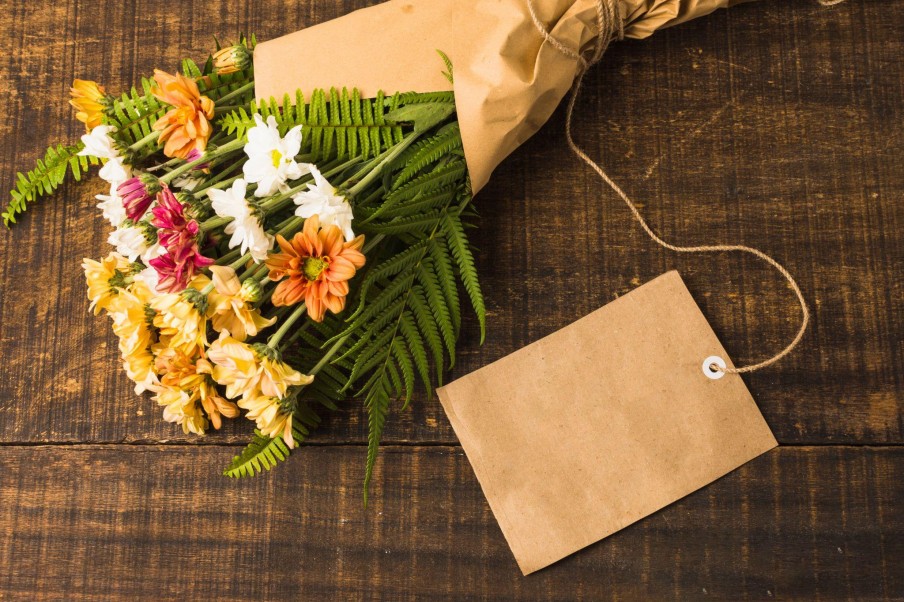
Sending a bouquet of flowers often feels simple right up until the moment the card needs to be written. Suddenly, the mind goes blank, or the words feel too formal, too short, or too sentimental. Singaporeans know this dilemma well. Life moves fast, and expressing warmth in a handful of lines can feel strangely disproportionate to how sincere the intention actually is. Yet a small message still carries weight. It sets the tone before the flowers are even lifted out of the wrapping. It frames the gesture, making it feel personal, not generic. And when someone receives blooms after a long day on the MRT, or a heavy week at work, that little card can be the part they linger on.
There’s also something comforting about knowing that a bouquet can speak for you when language gets sticky. Maybe that’s why this topic feels almost universal. Whether the message is for a birthday, an apology, a celebration, or a quiet show of support, the way words pair with petals changes how the gesture lands.
Why Words Feel Harder Than Choosing the Actual Bouquet
Picking flowers can sometimes feel easier because colour palettes and arrangements follow familiar cues. But messages introduce vulnerability; they ask the sender to express something internal. Many people feel the pressure to sound eloquent, yet the truth is that sincerity trumps poetry. Even a short sentence carries meaning when paired with a bouquet, because the receiver knows thought went into it.
Some people grab a template online, which isn’t a crime, but often the warmth disappears the moment it sounds mass-produced. A simple tweak or line that only the two of you would understand can change everything.
Let Emotion Lead Without Making It Complicated
A message doesn’t need grand declarations. It just needs intention. Start with the emotion you want the other person to feel. Comfort? Joy? A spark of encouragement? That emotional anchor guides the tone and keeps the words from feeling stiff.
A tiny contradiction sometimes helps bring clarity. For instance, you might feel hesitant to say too much, yet saying too little feels off. The sweet spot usually sits somewhere in between. A single line like “Thinking of you more today than usual” can feel warmer than a full paragraph that tries too hard. When the flowers arrive, the message frames how they’re interpreted, almost like a caption for a photograph.
Keep It Personal, Even If You’re Not Poetic
People sometimes say they’re “not good with words,” but heartfelt messages rarely require literary skill. Mention something shared – a recent moment, a familiar phrase, or even a small habit the receiver has – and the message suddenly feels human, not rehearsed. It could be as simple as “Here’s something to brighten your desk, the way your stories brighten mine.” Short, grounded sentiments resonate because they sound real.
And Singapore’s culture of busyness makes authenticity even more valuable. A quick line that feels genuine cuts through the noise of everyday digital messages.
When a Florist in Singapore Can Guide the Tone
Some people forget that a florist in Singapore isn’t just there to arrange stems. Many florists spend their days observing why customers buy flowers, and they’ve seen every tone from exuberant to apologetic. If you’re unsure whether your message sounds too formal or too casual, they can offer subtle cues. It’s almost like having a gentle editor who understands emotional context and floral symbolism.
This guidance is helpful when pairing certain blooms with specific sentiments. For example, lilies carry elegance, sunflowers project cheer, and carnations communicate steady affection. When the message and bouquet sync, the whole gesture feels cohesive.
A Quick Note on Occasion and Cultural Nuance
Singapore’s multicultural setting adds layers of meaning. A message for Lunar New Year might lean into well-wishes for prosperity, while a condolence note should feel quiet and restrained. A birthday greeting, on the other hand, can swing playful or sentimental depending on the relationship. The key is recognising context. Even more formal occasions allow hints of warmth, as long as the tone respects the moment.
And when sending a bouquet across generations, slightly more traditional wording can feel respectful, especially with elders.
Conclusion
Composing a heartfelt message doesn’t need to be intimidating. It just requires slowing down enough to match the sentiment behind the flowers. A few honest lines, even brief ones, can stay with the receiver longer than expected. Pairing those words thoughtfully with a bouquet makes the gesture feel complete, almost like giving emotion a physical form. For guidance on crafting the right message or choosing the right blooms, reach out to a florist in Singapore who can help shape a meaningful experience from start to finish.
Contact JM Flower today to craft a bouquet and message that truly expresses what you want to say.
About the Author