A secure home is one where children feel protected, supported, and emotionally at ease. Safety goes beyond locked doors and childproof cabinets. It includes emotional stability, predictable routines, and responsible adult behavior. Safe parenting practices help build this sense of security and support healthy child development.
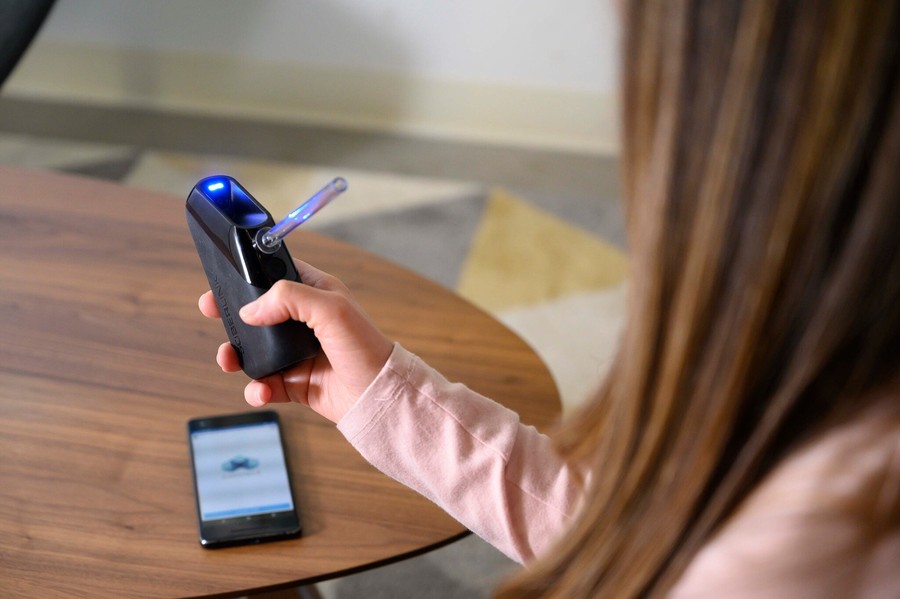
Children depend on adults to set boundaries and model responsible choices. When caregivers act consistently, children feel more confident and less anxious. In some families, additional structure is used to support this consistency. When concerns around alcohol create tension, some families find that systems like Soberlink reduce emotional guesswork and help keep interactions focused on the child. In these situations, the purpose is to reduce uncertainty and help maintain a safe environment rather than to assign blame.
Establishing Predictable Daily Routines
Routine is one of the strongest foundations of a secure home. Regular meal times, sleep schedules, and activity patterns help children know what to expect. Predictability reduces stress and supports emotional regulation.
When routines are disrupted, children may feel unsettled or confused. Safe parenting involves protecting these routines as much as possible, even during challenging periods. Consistency sends a clear message that the home environment is reliable.
Emotional Availability and Presence
Physical safety alone is not enough. Children also need emotional presence. This means listening, responding with patience, and showing empathy. When caregivers are emotionally available, children feel valued and understood.
Emotional presence requires awareness and self-regulation. Adults who manage stress in healthy ways are better equipped to support their children’s emotional needs. This contributes to a calmer home atmosphere.
Clear Boundaries and Expectations
Boundaries help children understand what is safe and appropriate. Clear rules about behavior, screen time, and responsibilities create structure. When expectations are communicated calmly and enforced consistently, children feel secure.
In homes where trust has been challenged in the past, accountability systems may help reinforce boundaries. Some parents use neutral tools, including Soberlink, to support responsible behavior during caregiving time. By relying on clarity instead of assumption, tension can be reduced and focus can remain on child safety.
Modeling Responsible Behavior
Children learn by watching adults. How caregivers handle conflict, stress, and responsibility shapes a child’s understanding of healthy behavior. Modeling calm problem solving and accountability teaches children important life skills.
Safe parenting means acknowledging mistakes and showing how to correct them. This builds trust and reinforces the idea that growth is possible.
Reducing Household Stress
High stress environments can make children feel unsafe. Loud arguments, emotional withdrawal, or unpredictable behavior may increase anxiety. Safe parenting practices aim to reduce household tension through open communication and self-awareness.
Simple steps such as taking breaks during conflict or seeking outside support can improve the home environment. When adults manage stress effectively, children benefit emotionally.
Encouraging Open Communication
A secure home encourages children to express thoughts and feelings. When children feel heard, they are more likely to share concerns or ask for help. This open communication supports both emotional safety and physical well-being.
Parents should respond without judgment and provide reassurance. This builds confidence and strengthens the parent child bond.
Long Term Benefits of a Secure Home
Children raised in secure homes tend to develop stronger emotional resilience. They are better equipped to manage challenges and build healthy relationships. Safe parenting practices lay the foundation for long term well-being.
Creating a secure home is an ongoing process. It requires patience, reflection, and commitment. By prioritizing consistency, accountability, and emotional presence, parents can provide an environment where children feel protected and supported. A secure home is not perfect, but it is stable, caring, and built around the needs of the child.
About the Author