Key Takeaways
- Routine servicing improves airflow and reduces energy consumption over time.
- Cleaning and inspection steps help prevent leaks and system breakdowns.
- Regular checks ensure stable cooling performance in Singapore’s climate.
Introduction
Understanding what general aircon servicing in Singapore covers helps homeowners and businesses manage expectations when scheduling routine maintenance. Many people arrange servicing only when cooling weakens, yet performance issues usually build up gradually before they become noticeable. Dust accumulation, blocked drainage, and declining airflow often develop quietly, which makes them easy to overlook during daily use. In a climate where air conditioning runs for long hours, these small issues can compound and affect comfort and electricity consumption. Knowing what each servicing step involves helps ensure that maintenance remains thorough rather than superficial.
1. Cleaning of Internal Air Filters
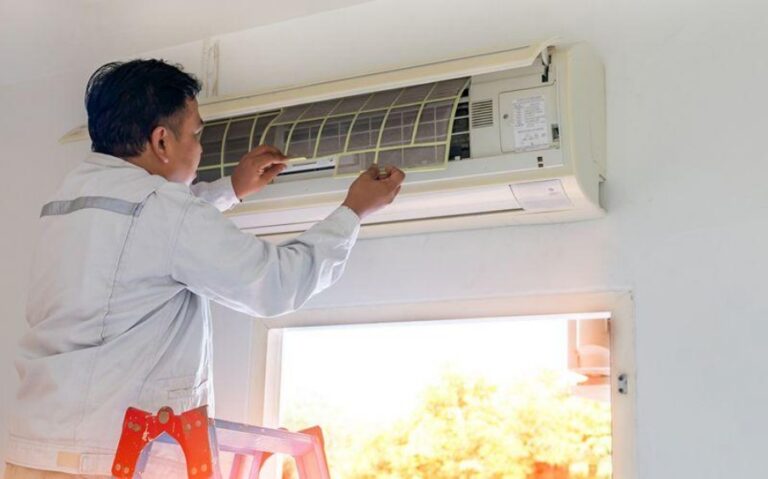
Technicians begin by removing and cleaning the internal air filters, which trap dust, debris, and airborne particles over time. When filters become clogged, airflow reduces, forcing the unit to work harder to maintain the same temperature. This strain increases energy use and may shorten the lifespan of key components. Regular cleaning restores proper airflow and allows the system to cool more efficiently. It also supports better indoor air quality, which becomes especially relevant in enclosed environments where circulation depends heavily on air conditioning.
2. Washing of the Front Panel and Cover
The external casing of the unit collects surface dust and moisture, which can lead to visible stains and gradual discolouration. Cleaning the front panel and cover removes this buildup and helps maintain a clean appearance. While this step may seem cosmetic, it also prevents dust from re-entering the system when the unit operates. Maintaining these outer components contributes to overall hygiene and ensures that the air conditioning unit remains presentable, particularly in shared or visible spaces such as offices and reception areas.
3. Vacuuming of the Drainage System
Air conditioning systems produce condensation as part of their cooling process, and this moisture flows through a drainage pipe. Over time, residue can accumulate inside the pipe, forming blockages that restrict water flow. When this happens, water may leak from the indoor unit and affect surrounding surfaces. Technicians use vacuum equipment to clear these obstructions and restore proper drainage. Addressing drainage issues early prevents water damage and reduces the risk of mould growth, which can develop in damp conditions if left unresolved.
4. Cleaning of the Evaporator Coil
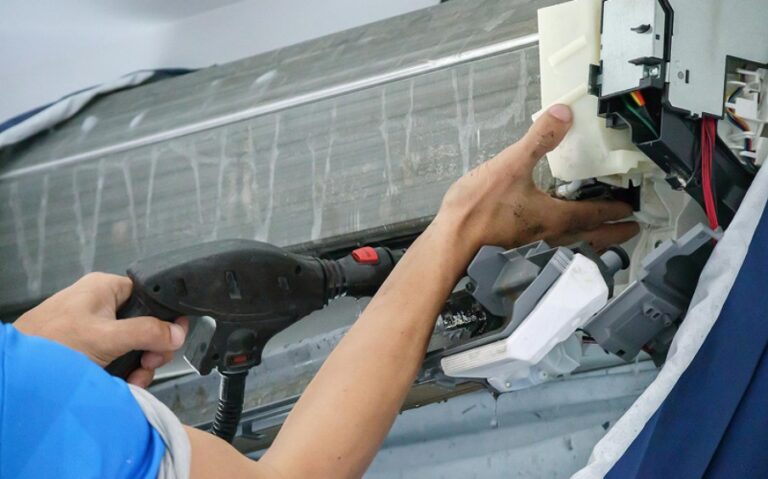
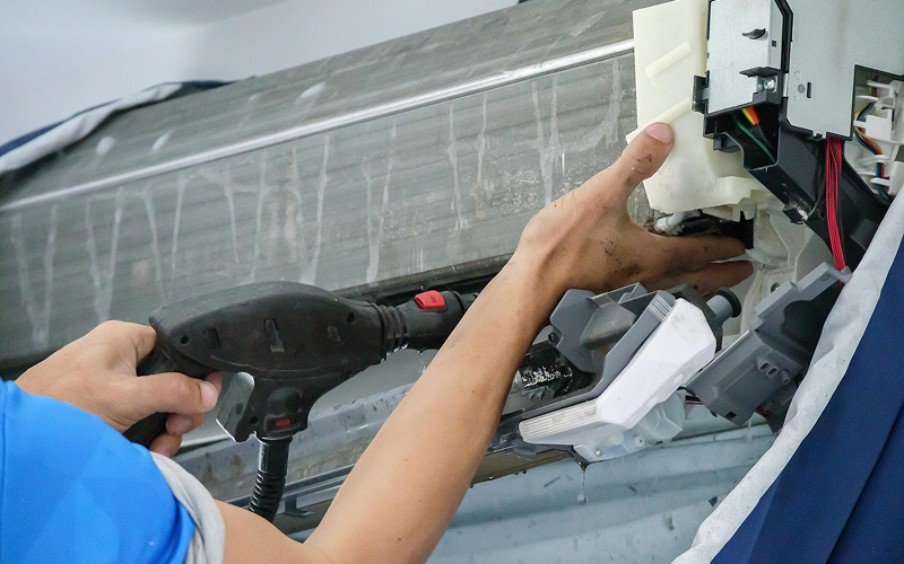
The evaporator coil facilitates heat exchange, allowing the unit to cool air effectively, which is why aircon servicing must address this component properly. Dust and grime that settle on the coil reduce its ability to transfer heat, which affects overall efficiency. Technicians clean the coil to restore its function and allow the system to maintain consistent cooling output. When the coil remains clean, the unit does not need to compensate for reduced performance, which keeps energy consumption more stable. This step plays an important role in maintaining both efficiency and long-term system reliability.
5. Inspection of the Outdoor Condenser Unit
The outdoor condenser unit operates in an exposed environment where it collects debris such as leaves, dust, and dirt. These obstructions can restrict airflow and cause the system to overheat if not addressed. During servicing, technicians inspect the unit and clear any visible blockages. It ensures that heat dissipates properly and that the compressor functions without unnecessary strain. Frequent examination also helps technicians spot wear or damage early, allowing them to carry out maintenance before more significant problems arise.
6. Testing and Performance Checks
After completing cleaning and inspection tasks, technicians test the system to confirm that it operates as expected. It includes measuring temperature output and observing how the unit responds during operation. Any irregular noise or fluctuation may indicate underlying issues that require further attention. Performance checks ensure that the servicing process has effectively restored the unit’s function and that it continues to operate efficiently. This final step provides reassurance that the system remains ready for continued use without immediate concerns.
Conclusion
Routine servicing supports consistent cooling performance and helps prevent issues that may increase energy consumption or lead to system failure. Each step contributes to maintaining efficiency, from improving airflow to ensuring proper drainage and verifying system output. When maintenance covers all essential components, the air conditioning system remains more reliable and easier to manage over time. Regular servicing also allows users to address minor issues before they develop into larger problems that require more extensive repairs.
Contact Newway Air Conditioning to schedule general air conditioning servicing in Singapore and maintain efficient, reliable cooling for your space.
About the Author